Hydrogen Mobility Beyond the Fuel Cell: An Integrated Development Ecosystem
Hydrogen mobility is gradually moving beyond demonstration programmes into real-world transport applications. From long-haul freight transport to demanding municipal operations, manufacturers are increasingly evaluating hydrogen technologies as a complementary pathway to electrification, particularly where long range, rapid refueling and high operational availability are essential.
According to the International Energy Agency (IEA), global hydrogen demand is expected to surpass 100 million tons in 2025. At the same time, the Hydrogen Council reports that more than 570 committed clean hydrogen projects worldwide, representing USD 130 billion in committed investment. Together, these figures reflect the growing maturity of the hydrogen sector despite ongoing market, infrastructure, and regulatory challenges.
As these technologies continue to mature, the challenge extends far beyond the fuel cell itself. Bringing a hydrogen-powered vehicle to market requires expertise across engineering, testing, safety validation, regulatory compliance, and specialised infrastructure. Addressing these challenges requires the coordination of multiple technical disciplines throughout the vehicle development process.
Applus+ IDIADA has developed a comprehensive hydrogen services ecosystem specifically designed to support vehicle development across the entire product lifecycle, from initial powertrain design and integration through crash safety validation, regulatory homologation, and specialized test facility design. With over a decade of experience in hydrogen mobility and more than 150 trained specialists, the company provides manufacturers with the technical capabilities required to bring safe and compliant hydrogen vehicles to market. These capabilities are underpinned by rigorous internal safety procedures and specialised training programmes designed to address the unique challenges of hydrogen technologies.
Powertrain Development for Hydrogen Mobility
Hydrogen-powered vehicles present unique engineering challenges, from fuel cell integration and energy management to performance validation. Development therefore requires validation at multiple levels, from individual fuel cell stacks through to complete vehicle performance. These capabilities combine simulation, engineering and testing activities to support this process from concept to production.
Virtual Development and System Engineering
Development often begins in the virtual domain, where simulation tools help manufacturers evaluate system architectures and vehicle concepts before physical prototypes are available. The company supports the simulation of complete vehicle platforms, enabling the assessment of vehicle performance, system integration strategies and operational behaviour at an early stage of development.
These capabilities are complemented by fuel cell engineering activities covering both component-level and system-level development, supporting the integration of hydrogen technologies into passenger and commercial vehicle applications.
Fuel Cell Development and Testing
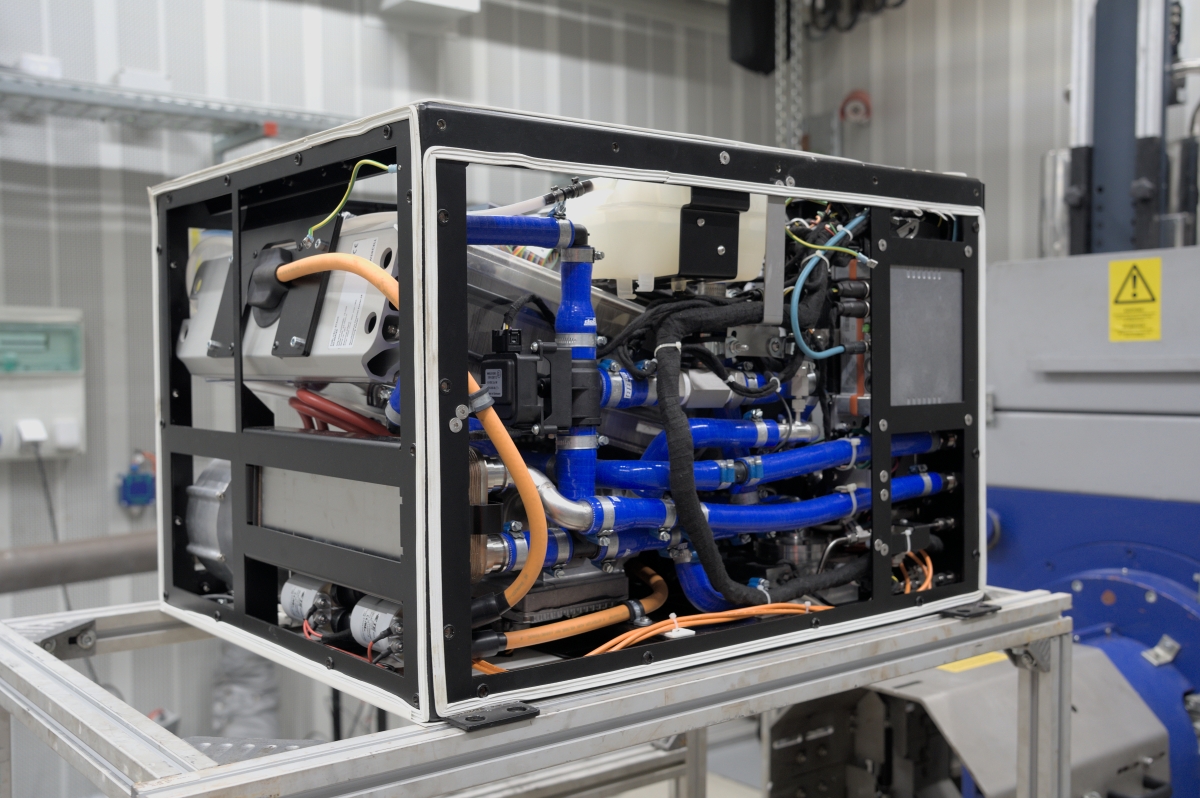
A key part of hydrogen powertrain development is the validation of fuel cell systems before their integration into the vehicle. Unlike conventional vehicle testing programmes, fuel cell development often requires extensive validation at component and system level before full vehicle integration can take place. Dedicated engineering and testing capabilities support fuel cell development activities carried out on specialized test benches.
These facilities enable the evaluation of fuel cell stack performance, efficiency and operational behaviour under a wide range of operating conditions. Test bench programmes also support durability and lifetime assessments, allowing manufacturers to analyse performance degradation over time, compare design alternatives and verify system robustness under representative operating cycles.
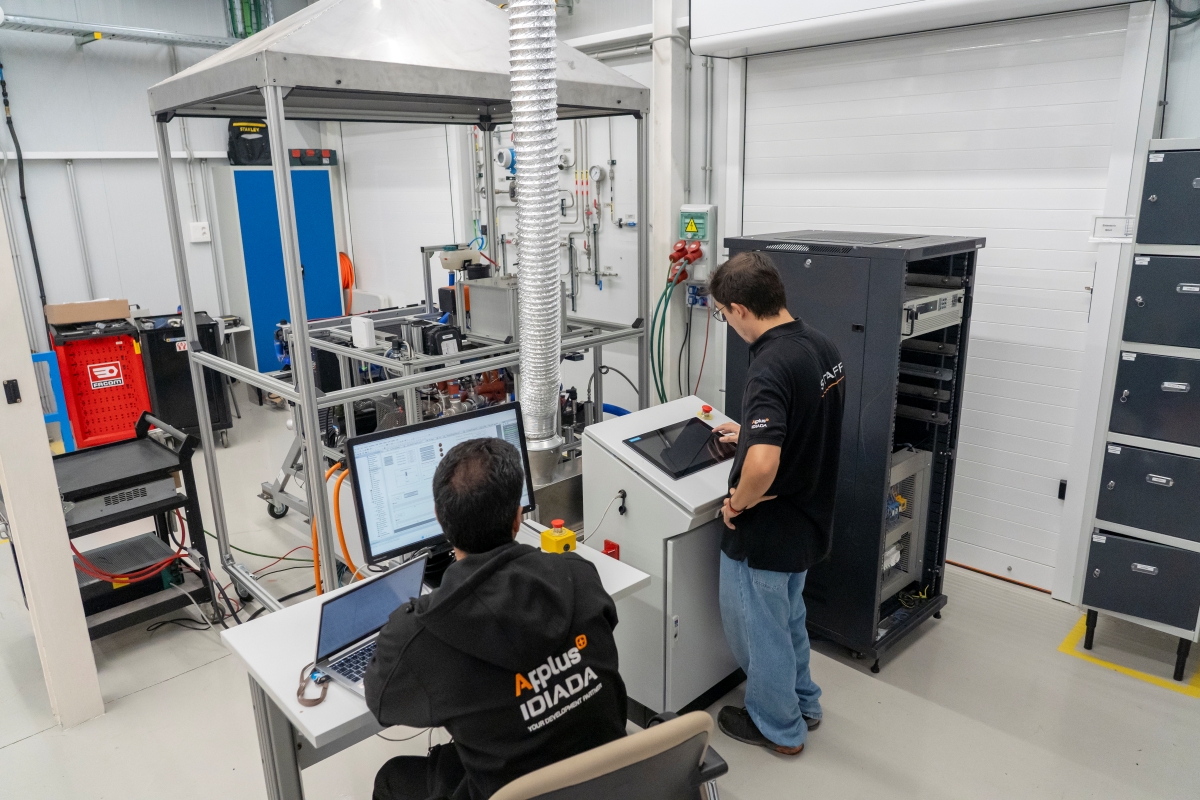
By combining engineering expertise with dedicated testing capabilities, manufacturers can optimize fuel cell systems and reduce development risks at an early stage of the programme.
Vehicle Validation

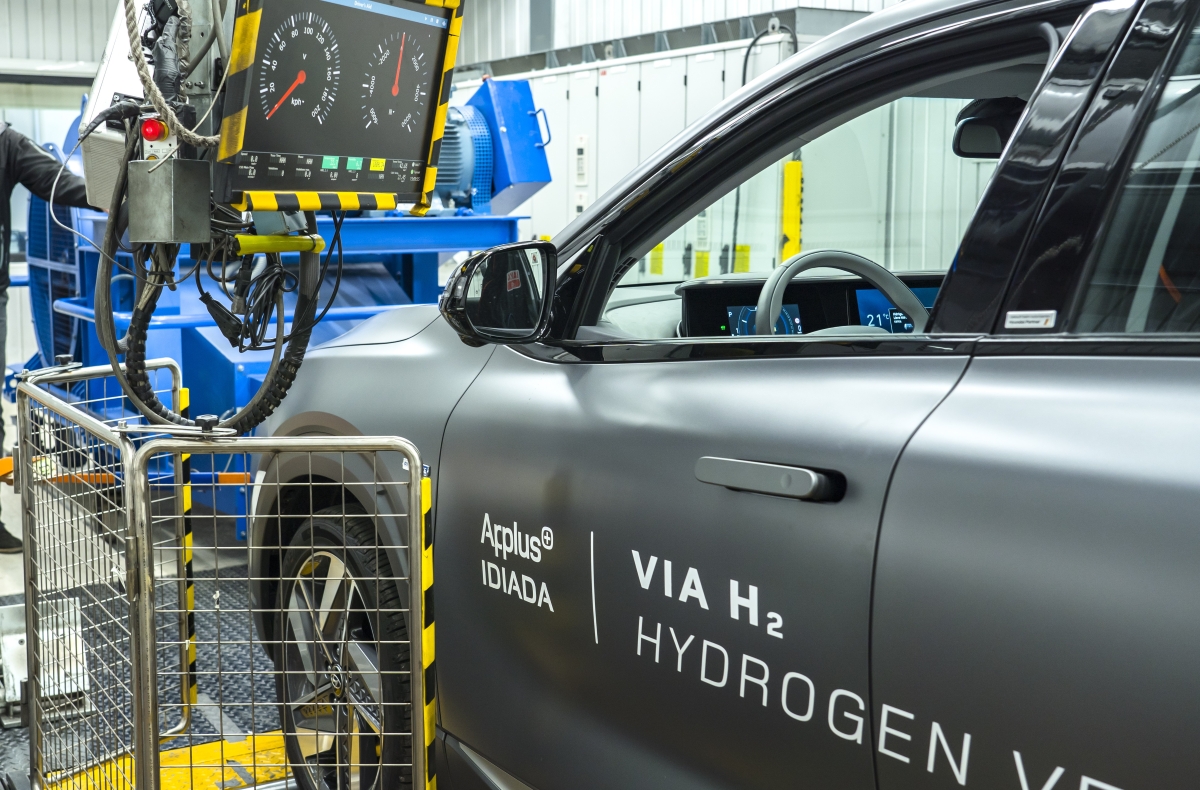
At vehicle level, IDIADA supports the validation of complete hydrogen powertrains under controlled and repeatable conditions. Testing activities include chassis dynamometer programs for performance assessment, hydrogen consumption measurement and range determination for light-duty vehicles, as well as proving ground and on-road evaluation. Together, these activities provide manufacturers with the data required to assess vehicle performance, energy consumption and overall system behaviour throughout the development process.
Dedicated Hydrogen Infrastructure
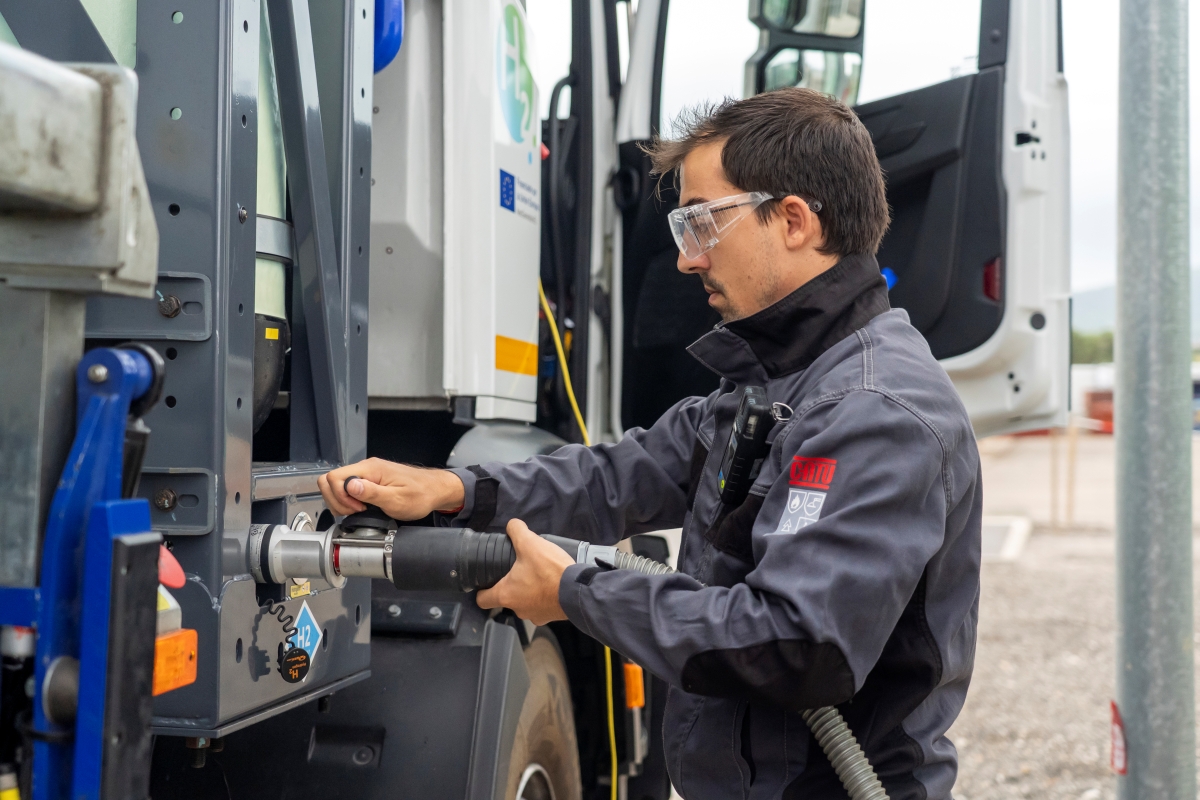
Vehicle development programmes are supported by dedicated hydrogen infrastructure. In addition, on-site hydrogen refueling can be offered at 350 bar, with 700 bar refueling available upon request through an external supplier, facilitating the efficient execution of testing and validation activities.
Passive Safety & Crash Testing Expertise
Hydrogen-powered vehicles must protect not only vehicle occupants, but also high-pressure hydrogen storage systems during and after an impact event. IDIADA supports manufacturers with passive safety engineering, crash testing and validation activities designed to assess vehicle behaviour under impact conditions while addressing the specific challenges associated with hydrogen technologies.
Crash Testing Capabilities
IDIADA performs crash tests on both Fuel Cell Electric Vehicles (FCEVs) and hydrogen internal combustion engine (H₂ ICE) vehicles, supporting passenger and commercial vehicle development programs. Testing activities can be carried out with hydrogen, helium or forming gas, depending on project requirements and development stage.
Our facilities support indoor and outdoor testing, enabling manufacturers to evaluate vehicle performance, hydrogen system integrity and safety functions under controlled and repeatable conditions. The company has also developed dedicated capabilities for sled testing and full-vehicle crash assessments involving pressurized hydrogen storage systems.
Specialised Safety Infrastructure
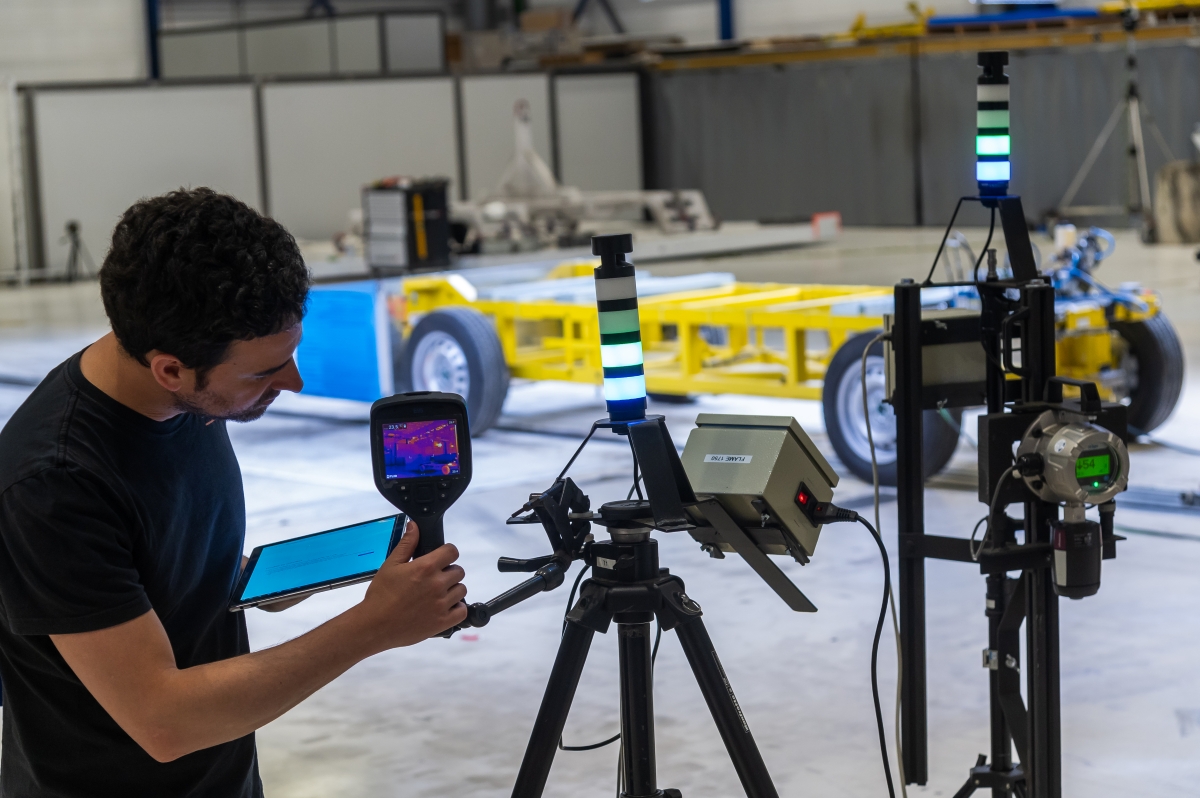
Hydrogen vehicle testing requires dedicated monitoring and safety systems. IDIADA's crash facilities incorporate hydrogen sensing technologies, concentration monitoring systems, leak detection equipment and infrared flame detection capabilities to support safe test execution and post-impact evaluation. Specialised ventilation systems are also in place to support hydrogen vehicle testing activities.
From Simulation to Validation
Beyond physical testing, IDIADA supports manufacturers throughout the passive safety development process, combining crash simulation, component-level assessments and full-vehicle validation programs. This integrated approach helps evaluate hydrogen storage protection strategies, system integrity and overall vehicle safety performance, supporting both product development and regulatory compliance objectives.
Homologation & Regulatory Compliance
As hydrogen technologies move closer to large-scale deployment, regulatory compliance is becoming as important as technical performance. Navigating these requirements is a critical step in bringing new vehicles and systems to market and requires independent assessment against the applicable approval framework. As a Technical Service, IDIADA supports manufacturers through the assessment and verification activities required to demonstrate compliance with applicable hydrogen regulations and approval requirements.
Expertise in Hydrogen Vehicle Approval
As a Technical Service accredited for hydrogen vehicle approvals under UN Regulation No. 134 (R134), IDIADA performs the assessment and certification of hydrogen-powered vehicles, hydrogen storage systems and related components involved in the delivery of hydrogen to the vehicle's propulsion system.
This expertise covers the current European regulatory framework for hydrogen-powered vehicles, including UN Regulation No. 134 and Annex XIV of Regulation (EU) 2021/535, while also building on experience gained under previous hydrogen vehicle approval frameworks. Acting as an independent Technical Service, IDIADA carries out the evaluations and verification activities required by the applicable regulatory framework prior to vehicle approval.
Addressing the Full Hydrogen System
Hydrogen vehicle approval focuses on the systems responsible for the storage, supply, control and safe management of hydrogen within the vehicle, as well as their integration in accordance with the applicable regulatory framework. This includes the assessment of hydrogen storage systems, related components and vehicle-level safety functions required for approval.
The evaluation of these systems requires a detailed understanding of hydrogen technologies and their associated regulatory requirements.
Supporting Global Market Access
Regulatory compliance plays a key role in the commercial deployment of hydrogen technologies. IDIADA works with OEMs, suppliers and mobility developers across a variety of vehicle categories, supporting projects ranging from individual components and storage systems to complete vehicle platforms. Drawing on extensive experience in international approval frameworks, IDIADA supports manufacturers in demonstrating compliance and preparing hydrogen-powered vehicles for introduction into global markets.
Test Facility Design for Hydrogen Mobility
Hydrogen vehicle development requires more than specialised engineering and testing capabilities. It also requires facilities specifically designed to safely accommodate hydrogen-powered vehicles and their associated systems. Beyond vehicle engineering and testing services, IDIADA also supports customers in the design and development of hydrogen-ready laboratories and testing environments.
Designing Facilities for Hydrogen Applications
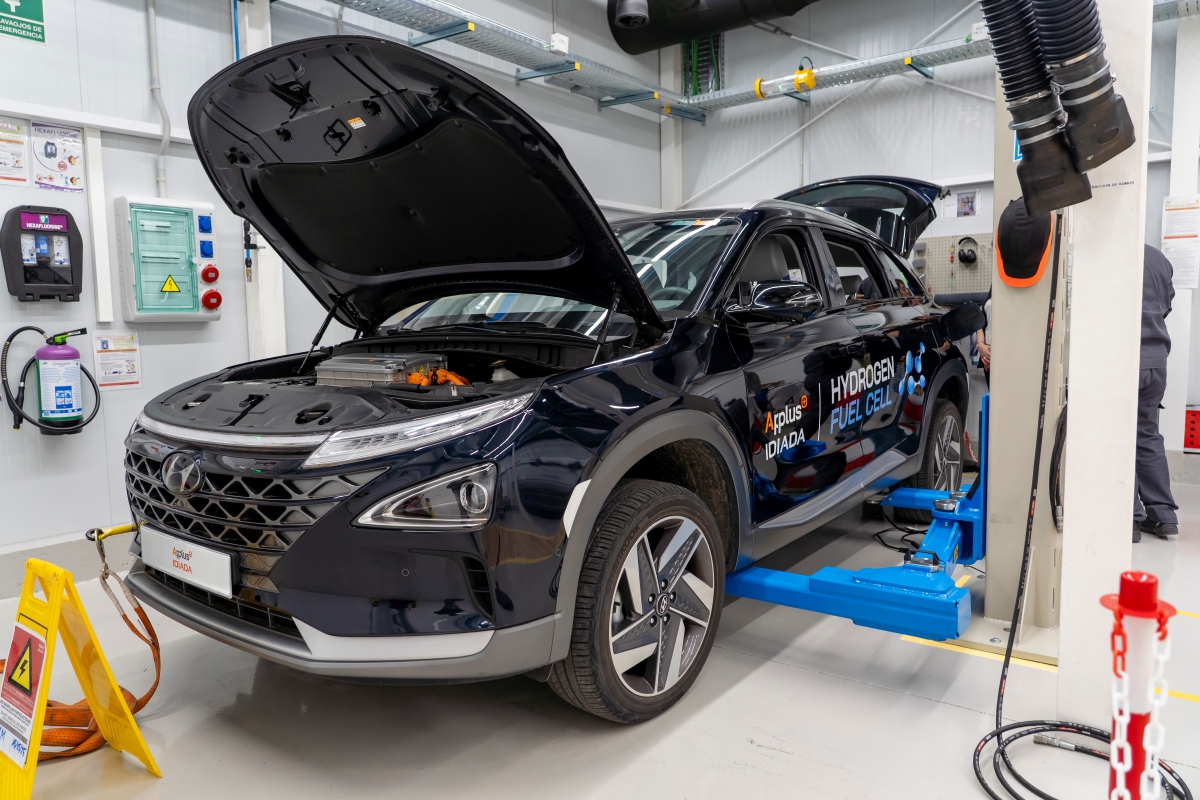
Hydrogen-powered vehicles introduce specific infrastructure requirements that must be addressed from the earliest stages of facility design. Factors such as hydrogen storage capacity, vehicle type, intended laboratory activities and applicable safety requirements all influence the configuration of a testing environment. Drawing on its experience operating hydrogen vehicle laboratories and testing facilities, IDIADA supports customers in the design of infrastructures adapted to the specific needs of hydrogen-powered vehicle development and validation programmes.
Combining Functionality and Safety
The design of hydrogen facilities requires balancing operational needs with specific safety requirements. Working closely with customers and safety specialists, these facilities can be tailored to support activities ranging from vehicle inspection and maintenance to refueling and testing operations.
Experience Built Through Real Projects
Practical experience gained through the development of its own hydrogen testing infrastructure underpins these capabilities. This includes dedicated fuel cell laboratories, hydrogen vehicle workshop areas and emissions testing facilities adapted for hydrogen-powered vehicles.
The value of this integrated approach was demonstrated during the first half of 2025, when IDIADA successfully conducted its first indoor crash test involving a charged fuel cell vehicle. Delivering this programme required the combined expertise of specialists from passive safety, hydrogen engineering, safety and test facility design, as well as dedicated infrastructure specifically adapted for hydrogen vehicle testing. The project illustrates how multiple disciplines come together across IDIADA's hydrogen ecosystem to support the safe development and validation of hydrogen-powered vehicles.
The company's multidisciplinary expertise has also contributed to the development of advanced testing environments, including facilities supporting indoor hydrogen vehicle crash testing, where infrastructure design and safety considerations play a critical role.
Supporting the Hydrogen Ecosystem
As hydrogen mobility continues to evolve, manufacturers and testing organizations increasingly require specialised facilities capable of supporting new vehicle technologies. By combining laboratory design expertise with hands-on experience in hydrogen vehicle development and testing, IDIADA helps customers create facilities that are functional, compliant and ready to support future hydrogen mobility programmes.
Innovation, Knowledge Transfer and Real-World Deployment
Beyond supporting customer programmes, Applus+ IDIADA actively contributes to the advancement of hydrogen mobility through collaborative innovation projects, internal technology development and specialised knowledge-transfer initiatives. In addition to participating in national and European R&D programmes, the company invests in the development of its own hydrogen-related tools, capabilities and testing technologies, helping advance solutions for both automotive and emerging mobility applications.
One example is the ZEFES project, a European initiative focused on accelerating the deployment of fuel cell electric trucks for long-distance freight transport. The project aims to demonstrate the operational feasibility of hydrogen-powered heavy-duty vehicles under real-world conditions, while supporting the development of the technologies, infrastructure and operational models required for large-scale adoption across Europe.
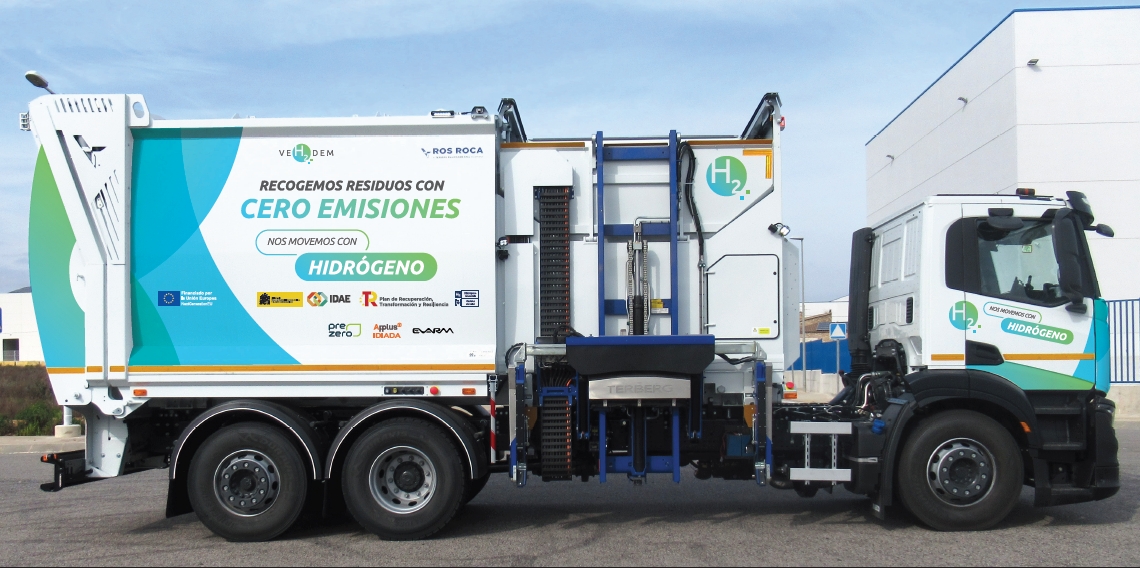
At national level, VeH2Dem project focuses on the development and demonstration of a hydrogen-powered waste collection vehicle. The project combines fuel cell technology, vehicle integration and real-world validation to assess the suitability of hydrogen as a zero-emission solution for demanding urban service applications. Within the consortium, IDIADA contributes its expertise in system integration, engineering, testing and vehicle validation.
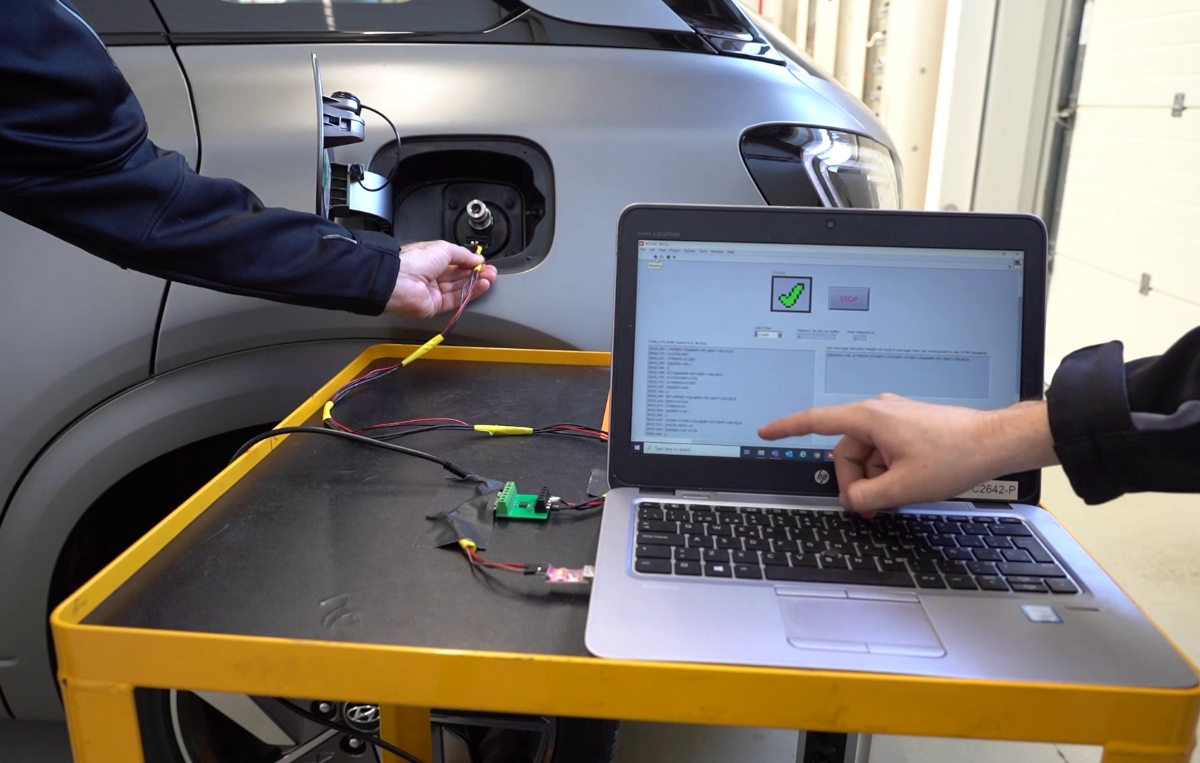
Internal innovation also plays an important role in advancing hydrogen mobility capabilities. Through the Gemstone project, IDIADA has developed proprietary tools and validation solutions to support communication between hydrogen-powered vehicles and refuelling infrastructure in line with SAE J2601 and SAE J2799 standards. By strengthening the validation of hydrogen refuelling processes and vehicle-to-station interoperability, the project contributes to safer and more efficient hydrogen refuelling operations while supporting the wider development of the hydrogen mobility ecosystem.
Hydrogen innovation at IDIADA also extends beyond automotive applications. In collaboration with Solé Advance, the company developed a customized fuel cell solution for a maritime application, supporting the integration of hydrogen technologies into marine vessels. The project combined fuel cell system design, engineering and validation activities, demonstrating the adaptability of hydrogen-powered solutions across different transport sectors and highlighting the potential of fuel cell technologies in emerging mobility and energy applications
Beyond collaborative innovation projects, IDIADA also contributes to the deployment of hydrogen technologies through real-world certification programmes. One notable example is the homologation of the Irizar i6S Efficient FCEV, a hydrogen-powered coach developed by Irizar. The project represented an important milestone in the application of the latest UN Regulation No. 134 (R134) requirements for hydrogen-powered commercial vehicles, supporting the market introduction of hydrogen mobility solutions beyond demonstration programmes.
IDIADA also supports the development of hydrogen-related skills through specialised training programmes covering the safe handling, operation and management of electric and hydrogen-powered vehicles. These initiatives help prepare engineers, technicians and organizations for the growing adoption of alternative propulsion technologies while contributing to the development of a skilled workforce capable of supporting the mobility transition.

As hydrogen mobility continues to mature, the successful deployment of these technologies will depend on the ability to combine engineering, validation, safety, regulatory expertise and infrastructure development. Bringing these disciplines together will be key to accelerating the transition from demonstration projects to commercial deployment.
Find out how IDIADA can support your hydrogen mobility projects.
Contact our team to learn more about our engineering, testing, safety and homologation capabilities.