IRIS WGO: Monitoring EU Internal Combustion Engine Vehicle Regulation
IRIS Working Groups Observatory (IRIS WGO) provides strategic regulatory intelligence for the automotive industry. Through continuous monitoring of EU and UNECE legislative developments, we deliver timely insights that enable technical and regulatory teams to anticipate policy changes and make informed strategic decisions.
- EU Considers Adjusting the 2035 Phase-Out of Combustion Engines
- The European Commission is examining whether to allow new combustion vehicles if they run exclusively on synthetic or bio-based fuels
The European Union is assessing potential adjustments to the regulation that bans the sale of new combustion-engine vehicles from 2035 onwards. EU Transport Commissioner Apostolos Tzitzikostas signaled this possibility in an interview with the German business daily Handelsblatt.
Review of the Regulation
Tzitzikostas stated that the European Commission will be “open to all technologies” in its review of the CO₂ fleet emission standards. He explained that the upcoming legislative proposal will incorporate “recent technological developments,” including low- and zero-emission fuels as well as advanced biofuels.
These comments follow a letter sent by German Chancellor Friedrich Merz to Commission President Ursula von der Leyen requesting a revision of the 2035 regulation. In the letter, Merz advocated for a flexible approach that would allow various propulsion technologies to contribute to the EU’s climate objectives.
Fuel-Based Conditions
According to Commission sources, the possibility of allowing combustion engines after 2035 would depend strictly on the type of fuel used. New combustion vehicles could only be registered if they run exclusively on biofuels or synthetic fuels (e-fuels). This clarification differs from interpretations suggesting that engines powered by conventional fossil fuels might remain permitted.
Legislative Timeline
Tzitzikostas also announced that the publication of the EU’s “automotive package”—which will revise CO₂ standards and introduce new measures supporting the electrification of corporate fleets—will be delayed. Initially scheduled for 10 December, the package is now expected in early January.
The delay reflects the scope of the package, which the Commission considers essential for the competitiveness of the European automotive sector and for achieving the EU’s climate targets.
Political and Industrial Context
The Commission presented an action plan for the future of the European automotive sector on 5 March 2025, following a strategic dialogue with Member States and industry. This plan forms the basis for the current regulatory discussions.
Outlook
The availability and cost of synthetic fuels and biofuels remain key factors in assessing the feasibility of potential regulatory adjustments. The final decision on revising the 2035 phase-out will be significant for the EU’s transport transition and its ability to reach climate neutrality by 2050.
Monitoring by IRIS Work Groups Observatory (WGO)
- At IRIS WGO, we closely and continuously monitor the evolution of this file and all EU and UNECE legislative initiatives.
- Join IRIS WGO — Don’t let regulatory changes catch you by surprise. Stay informed and make strategic decisions with confidence.
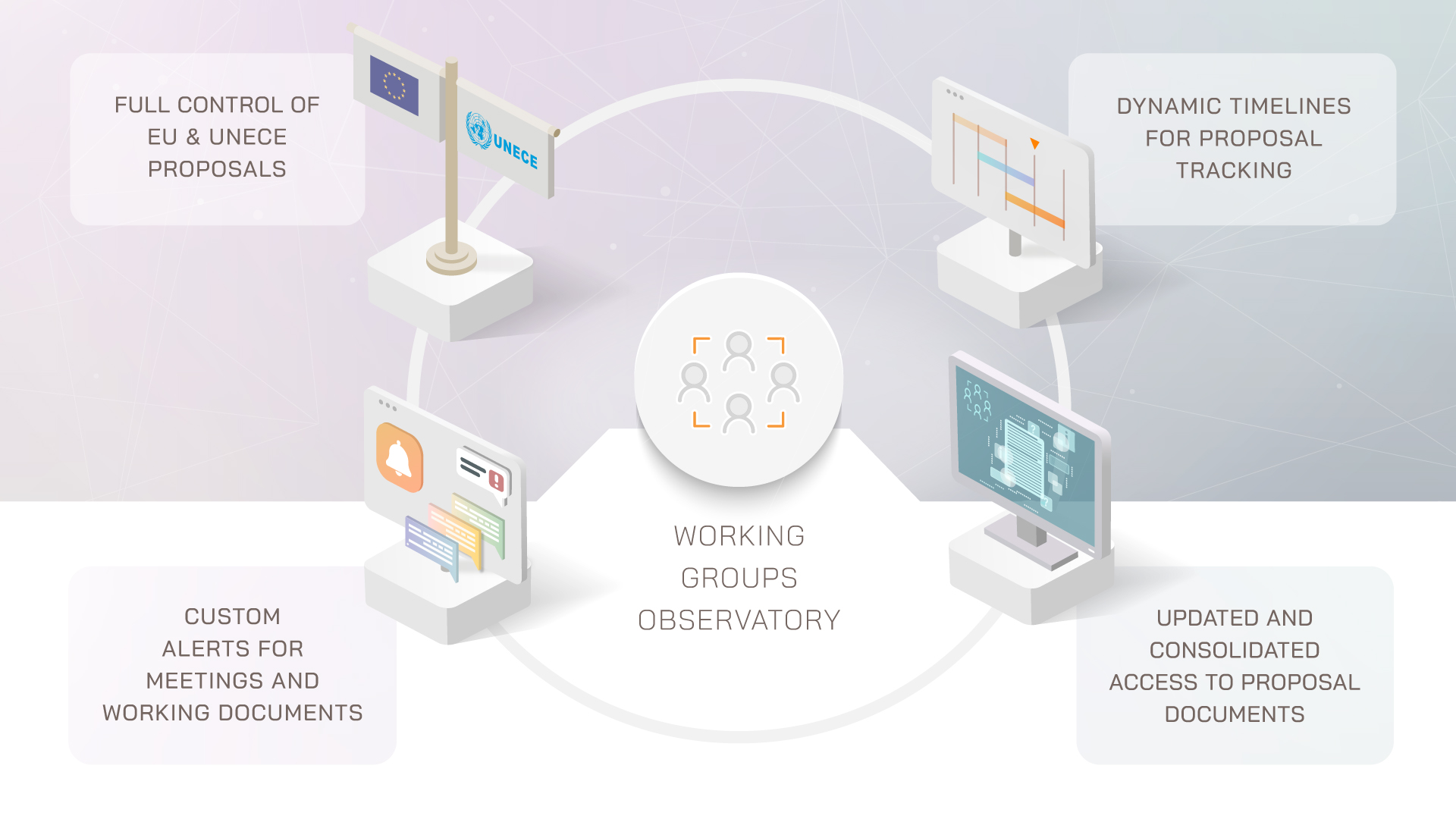
Our goal is to ensure that technical and regulatory teams have up-to-date, traceable and contextualized information, enabling them to anticipate technical, industrial and regulatory implications as the legislative process evolves.
If your company receives regulatory information late, someone else is already making the decisions you should be making.
Contact the IRIS team at iris@idiada.com for more information.